Riding on the end of Tesla’s tailwind, Audi plans to finally introduce its first all-electric production vehicle in 2017. In an interview with Bloomberg, the German marque’s CEO, Rupert Stadler, said that the company’s engineers are working on an electric car which will meet US zero-emission regulations. “It’s probably going to be a crossover, but development work is still ongoing,” he said.
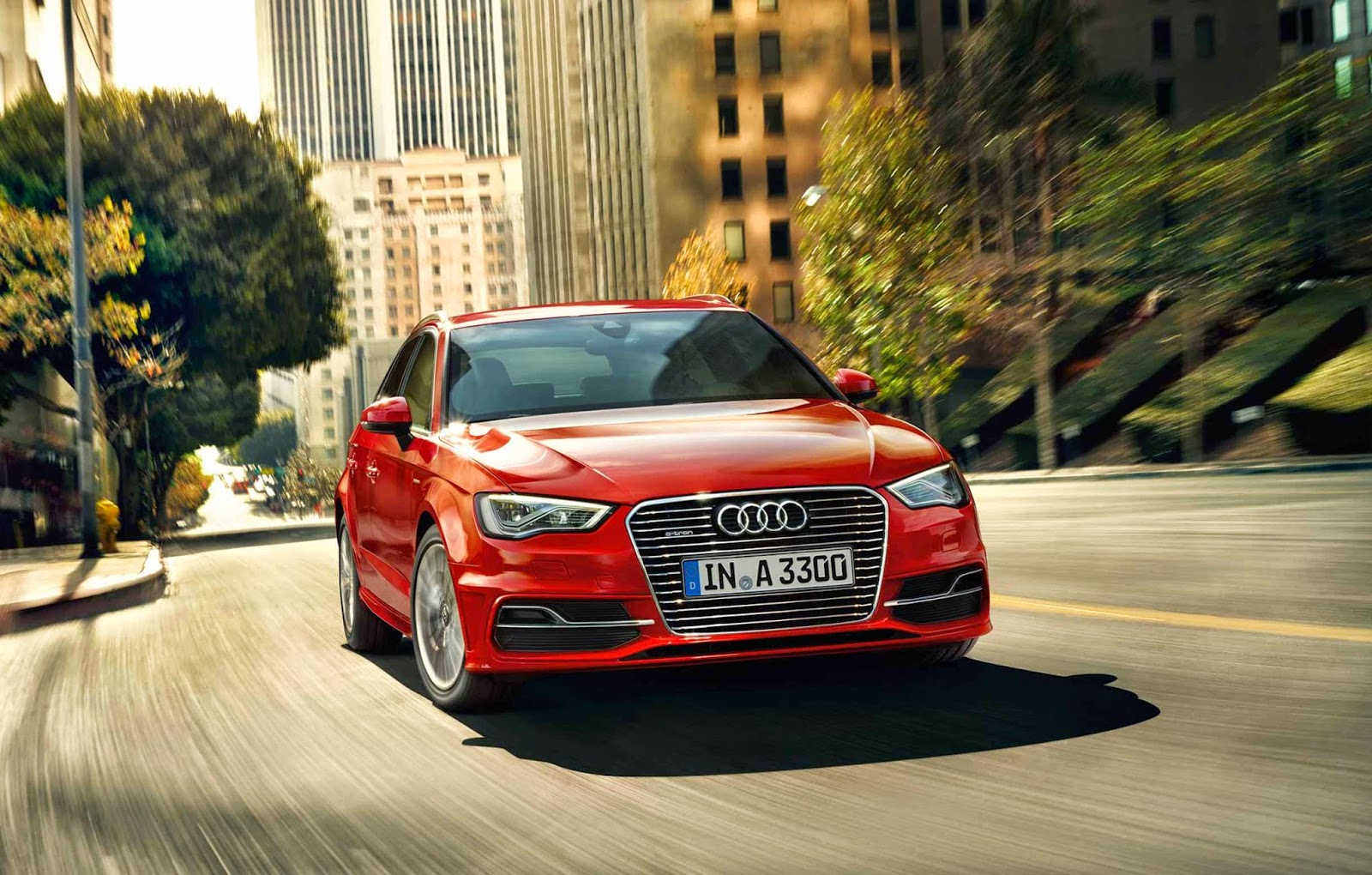
Delivery of Audi’s plug-in hybrid A3 hatchback (which retails for US$46,700) will begin this year followed next year by the introduction of a battery-powered version of the R8 sports car (for a hefty US$116,000), both under the Audi e-tron series which up until now had featured just concept cars. Cleaner and more fuel efficient cars are important even, if not more, for luxury brands as indicators that they possess newer and better technology to justify premium prices attached to their vehicles; never mind that demand for electric cars is still at best lukewarm.
After the A3 e-tron, Audi plans to continue introducing a new plug-in hybrid each year and will probably focus on creating electric versions of existing models, with initial R&D costs already amortised.
In other related news, Audi’s holding company, Volkswagen, has just bought a 5% stake in a battery company, QuantumScape, which could signal that it means to ramp up competition for the reigning electric car company, Tesla. With its new acquisition, VW aims to develop technology to enable its electric cars, as well as those under its Porsche and Audi marques, to extend their existing ranges significantly. Although officials from both VW and QuantumScape, which was founded by former Stanford University researchers, have been tight-lipped about the acquisition details, back in November, VW’s CEO, Martin Winterkorn made a speech in the Californian university, saying “I see great potential in this new technology, possibly boosting the range to as much as 700 kilometers (430 miles).”
The VW e-Golf has a range of 83 miles on each charge while the Tesla Model S has a range of 265 miles. So, if we are reading this right, VW’s main focus in battery development is to go further, while Tesla’s is to go cheaper (with the Gigafactory). News reports say that VW is also looking into fireproof energy-storage, which might prove to be an edge over its competitors after the negative publicity surrounding Tesla last year over several unfortunate battery fires involving the Model S sedan.